
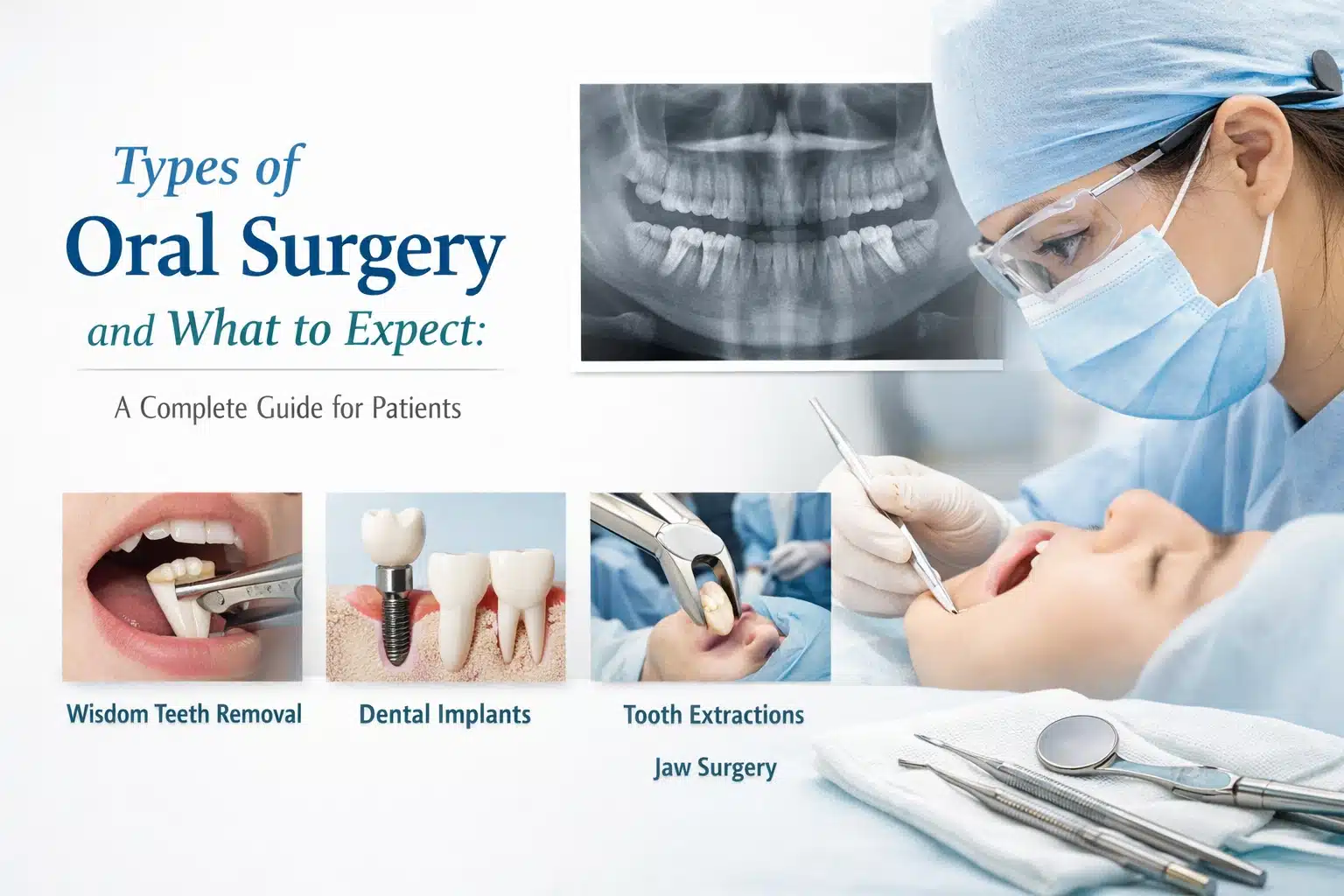
While oral surgery may be a little scary, learning about which types of procedures exist and what to expect can help reduce anxiety. Whether you have a simple tooth extraction or need more intricate surgery, understanding the step-by-step process and recovery steps is important. Oral surgery can range from removing your wisdom teeth to realigning your jaw to reconstructing something damaged in an accident, all with the same aim of improving your overall oral well-being.
One of the most essential aspects of oral health is routine screening for cancer, as potential problems can be discovered during these visits. These screenings are essential in detecting early signs of oral cancer, even before symptoms arise. In this guide, we will discuss the different types of oral surgery, the procedures involved, and the importance of detecting issues early, so you know what to expect before and after your procedure.
Types of Oral Surgery Procedures
There are several types of oral surgery used to treat a variety of problems in the mouth, teeth, gums, or jaw. Whether it involves removing a single tooth or performing a more extensive operation, the aim is to enhance your oral hygiene and restore functionality. Oral surgery encompasses various procedures, including:
1. Tooth Extractions
Tooth extractions are among the most widely performed oral surgery procedures. Tooth extraction may be necessary due to severe decay, infection, or overcrowding, and it involves removing a tooth from its socket in the bone. Local anesthesia is used to numb the area during this procedure, so you will be comfortable throughout.
After extraction, you should follow the post-operative care available to reduce swelling. Not smoking, elevating your head while you sleep, and eating soft foods can also help in recovery.
2. Oral Cancer Surgery
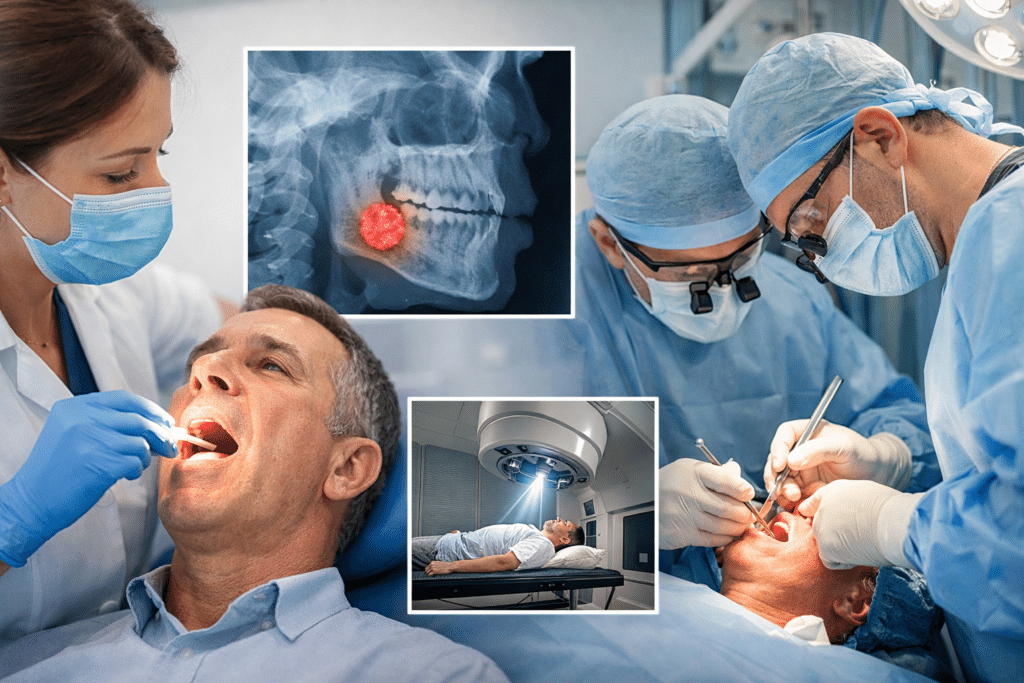
The patient undergoes oral cancer surgery for mouth or other related cancers. The extent and precise nature of the surgery depends on how bad the cancer is and where it’s located; in some cases, this may involve the removal of part of the affected tissue, in others, lymph nodes, or even part of a jaw.
Fortunately, detecting oral cancer early through regular oral cancer screening in Phoenix, AZ, makes it easier to recognize and address the disease. This surgery is planned carefully, and recovery may involve further treatment like radiation or chemotherapy. Such a disease is easy to recognize and detect through routine screening, which is vital for successful therapy.
3. Dental Implants
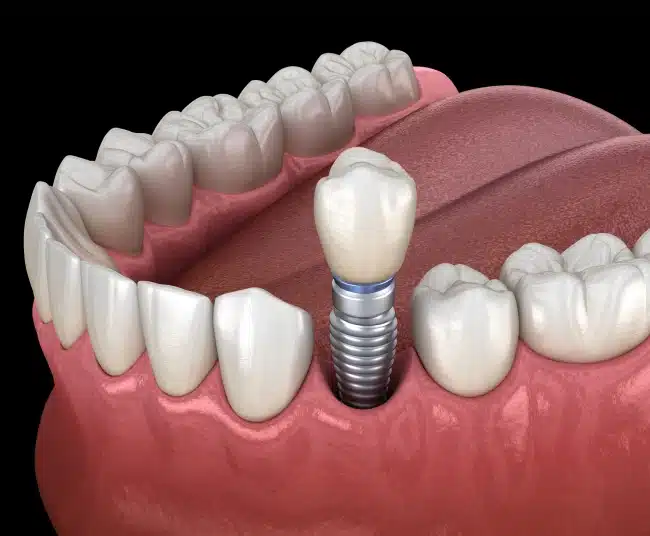
Dental implants offer an excellent solution for replacing lost teeth. In this type of oral surgery, a titanium post is inserted into the jawbone, serving as a root for an alternative dental implant. This process usually has a variable timeline, from placement to the required healing period to secure the prosthetic tooth.
One of the most significant benefits of dental implants is that they look and function like natural teeth, thereby improving both appearance and oral function. Several months later, the implant becomes integrated with the bone.
4. Jaw Surgery (Orthognathic Surgery)
For patients with jaw misalignment or other structural issues, orthognathic, or realigning surgery, may be recommended. This type of surgery can fix issues like difficulty chewing, speaking, or breathing. It is the surgical procedure that moves the upper or lower jaw to a better position relative to your facial structures.
This intervention generally involves general anesthesia and a more prolonged recovery. Patients may be on a soft-food diet for weeks, performing exercises designed to help the jaw heal in its new position.
5. Wisdom Teeth Removal
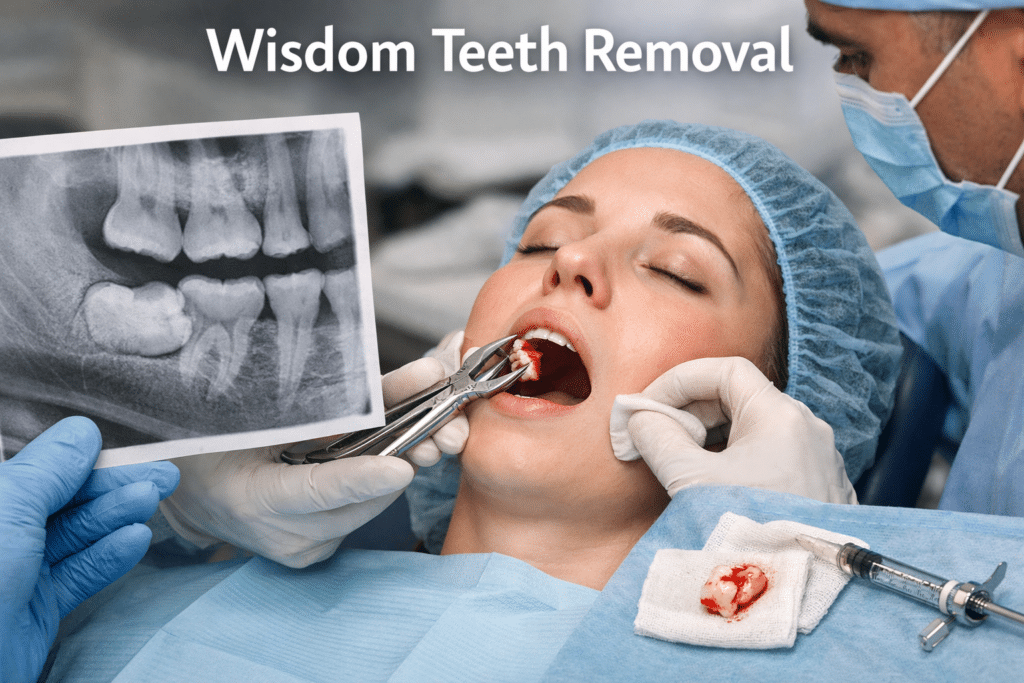
One such surgery is wisdom tooth removal, which is the most common in oral care. The third molars (wisdom teeth) can cause issues; they may become impacted or infected, or misaligned. In these cases, it may be necessary to extract the teeth to prevent further complications.
It is usually performed in the late teenage years to early twenties, but it can be done at any age if required. Depending on the complexity of the procedure, local anesthesia or sedation may be administered for wisdom teeth removal.
6. Bone Grafting
Bone grafting is a procedure that is commonly performed in conjunction with dental implants. Bone tissue is placed into areas of the jaw where bone loss has occurred. The area where the implant will be placed is stabilized by the graft, and some of the jaw’s structural integrity is preserved.
It can take several months to fully recover from bone grafting because the bone needs to integrate with the surrounding tissue. There may be some swelling or tenderness in the healing process.
Why Regular Oral Cancer Screening Is Important
Periodic oral cancer screening is an important part of your comprehensive dental care. These screenings can help increase the chances of successful treatment and recovery by identifying potential issues earlier. Let’s take a look at why regular screenings matter for your oral health:
Early Detection Saves Lives
Early detection of oral cancer can significantly improve the odds of successful treatment. This gives room to stop the cancer from spreading, which will lead to a perfect recovery.
Non-Invasive and Quick
Oral cancer screenings do not take much time, are noninvasive, and simple. They’re usually done during routine dental exams, so itis easy to add them to your regular visit.
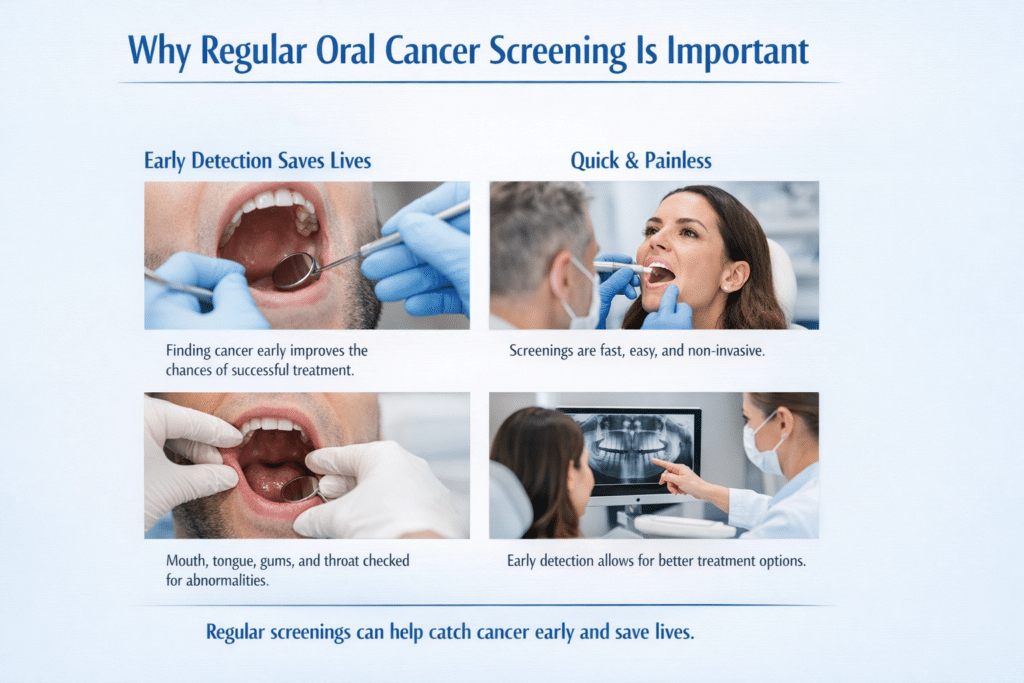
Thorough Visual Examination
Your dentist will examine the interior of your mouth, including your gums, lips, tongue, and the roof and floor of the mouth for any abnormalities (sores or lumps).
Detects Abnormalities Early
If anything unusual is detected, additional tests may be suggested. Detecting problems early enables more effective treatment options and improved overall outcomes.
What to Expect During Your Recovery?
The amount of recovery after oral surgery depends on the type of procedure performed. Surgeries such as tooth or wisdom tooth extraction may only require a few days of rest and pain management, while others, such as dental implants or bone grafting, may be longer-term and span several months.
After your procedure, your dentist will provide personalized instructions to help you have a speedy, hassle-free recovery. This might include suggestions like:
- The precautions include resting and avoiding strenuous activity for the first few days
- If you were prescribed medications for pain or infection prevention
- Avoid putting pressure on the surgical site by eating soft foods
- Saltwater rinse to help with healing and swelling
Adhering to these guidelines can help avoid post-operative complications while still setting your mouth up for a successful healing process.
The Importance of Regular Checkups for Your Smile and Health
Whether oral surgery procedures leave you with a smile or none at all, dental hygiene is probably your best route to prevention. Routine visits to your dentist for checkups, cleanings, and oral cancer screenings are essential to maintaining your mouth’s health and preventing problems.
Our team at Encanto Family Dental Care strives to provide you with the best care and information so that you can choose what is best for your oral health. Contact us today to schedule an appointment so we can find useful ways to keep your teeth whiter. We’re ready to help you maintain beautiful smiles through regular screenings or preventive care!
Questions People Ask About Oral Health
What is oral surgery, and when is it needed?
Oral surgery involves procedures that address issues in the mouth, teeth, or jaw. It’s necessary for tooth extractions, dental implants, jaw surgery, and the treatment of oral cancer, helping restore function, alleviate pain, and improve appearance.
How does oral cancer screening work?
Oral cancer screening is a simple, non-invasive process performed during routine dental visits. The dentist checks for unusual lumps, sores, or changes in the mouth, helping detect early signs of cancer and leading to more effective treatment.
What should I do to prepare for oral surgery?
Preparing for oral surgery involves following your dentist’s pre-operative instructions, which may include avoiding food or drink before surgery, arranging for transportation, and ensuring you have the necessary medications or ice packs for post-surgery care.
What happens during an oral cancer screening?
During an oral cancer screening, the dentist examines the inside of your mouth for signs of cancer, such as red or white patches, sores, or lumps. If abnormalities are found, further testing may be recommended for a proper diagnosis.
How long does recovery take after oral surgery?
Recovery time after oral surgery varies depending on the procedure. Tooth extractions may take a few days, while more complex surgeries like dental implants or bone grafting may require several weeks to months for full healing.
Can oral cancer be prevented?
While oral cancer cannot always be prevented, reducing risk factors like smoking, excessive alcohol use, and poor oral hygiene can help. Regular oral cancer screenings and maintaining a healthy lifestyle can also aid in early detection.
Related Articles